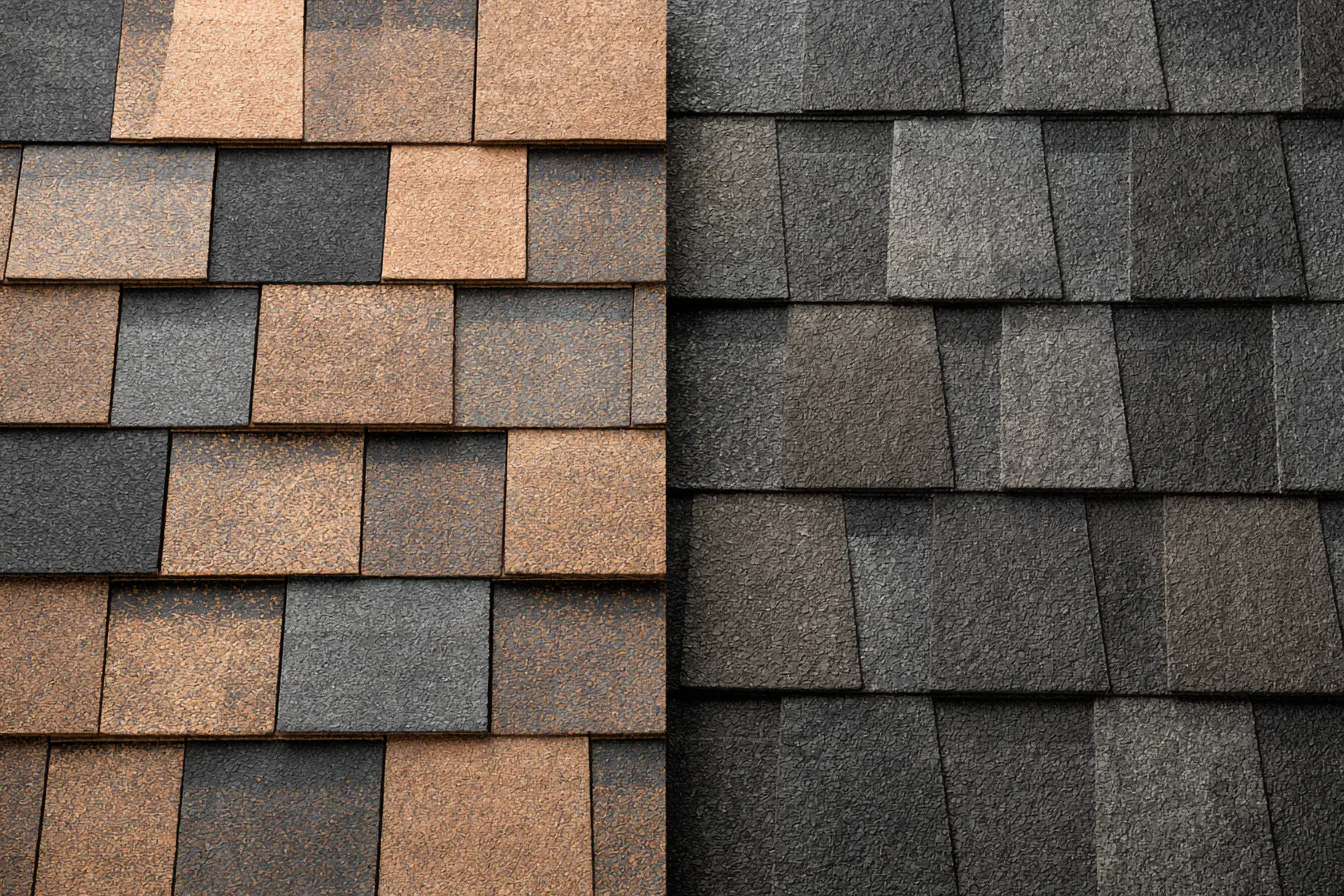
Shingle roofing in Claremore
Choose a shingle roof that suits your Claremore home. Explore the look and construction of three-tab, architectural and designer shingles, with help understanding impact ratings and the work underneath.
Free roof inspection · Homes & businesses
Prefer to talk? (918) 679-3162
Compare shingle types
The shingle's shape and thickness change how your roof looks. For a repair, they also determine whether a new piece fits the rows already in place. Here's what separates the three types.
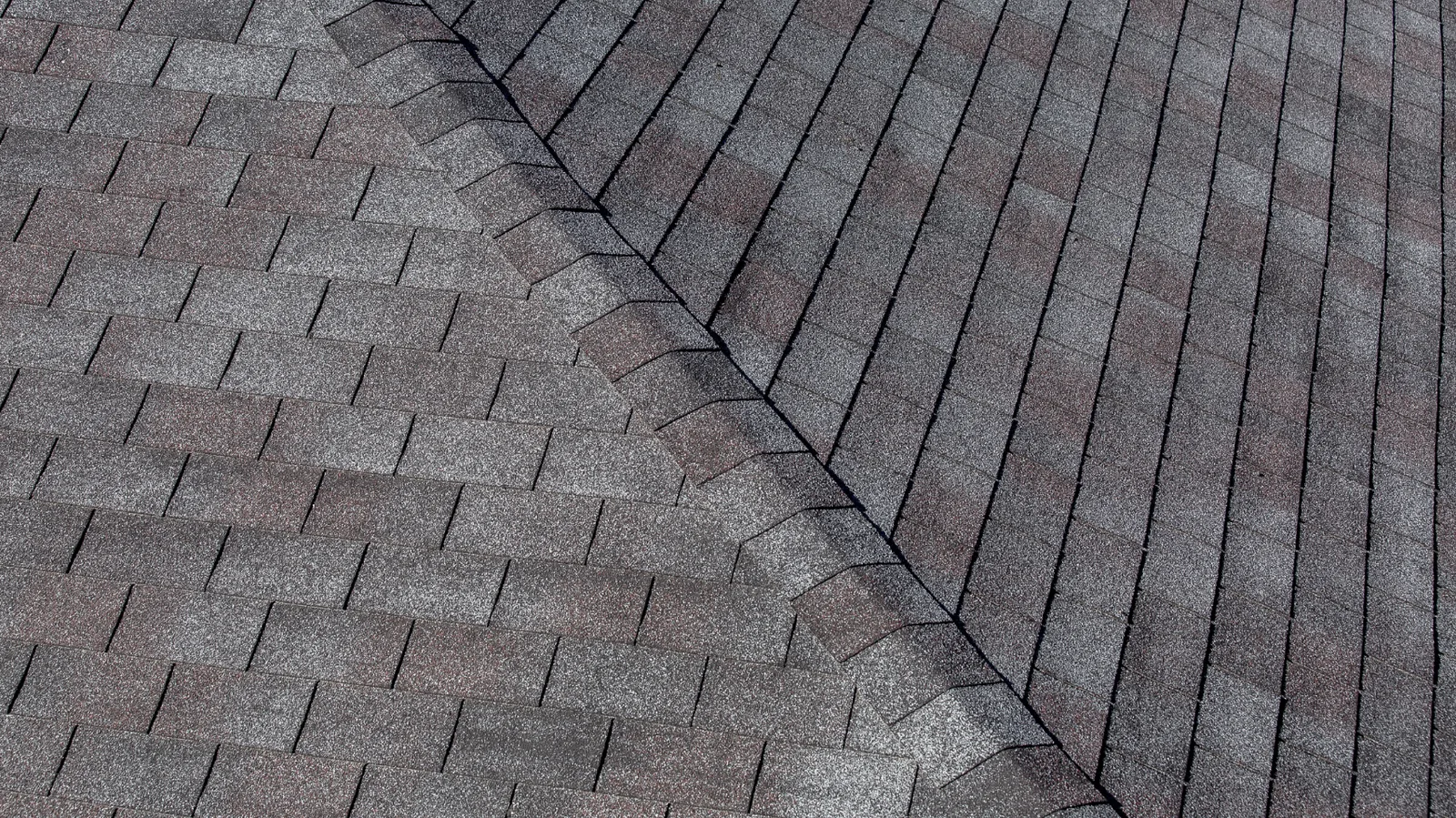
Three-tab shingles
A flat, single-layer shingle creates a regular pattern across the roof. For repairs, the new piece needs matching dimensions and exposure as well as a close color.
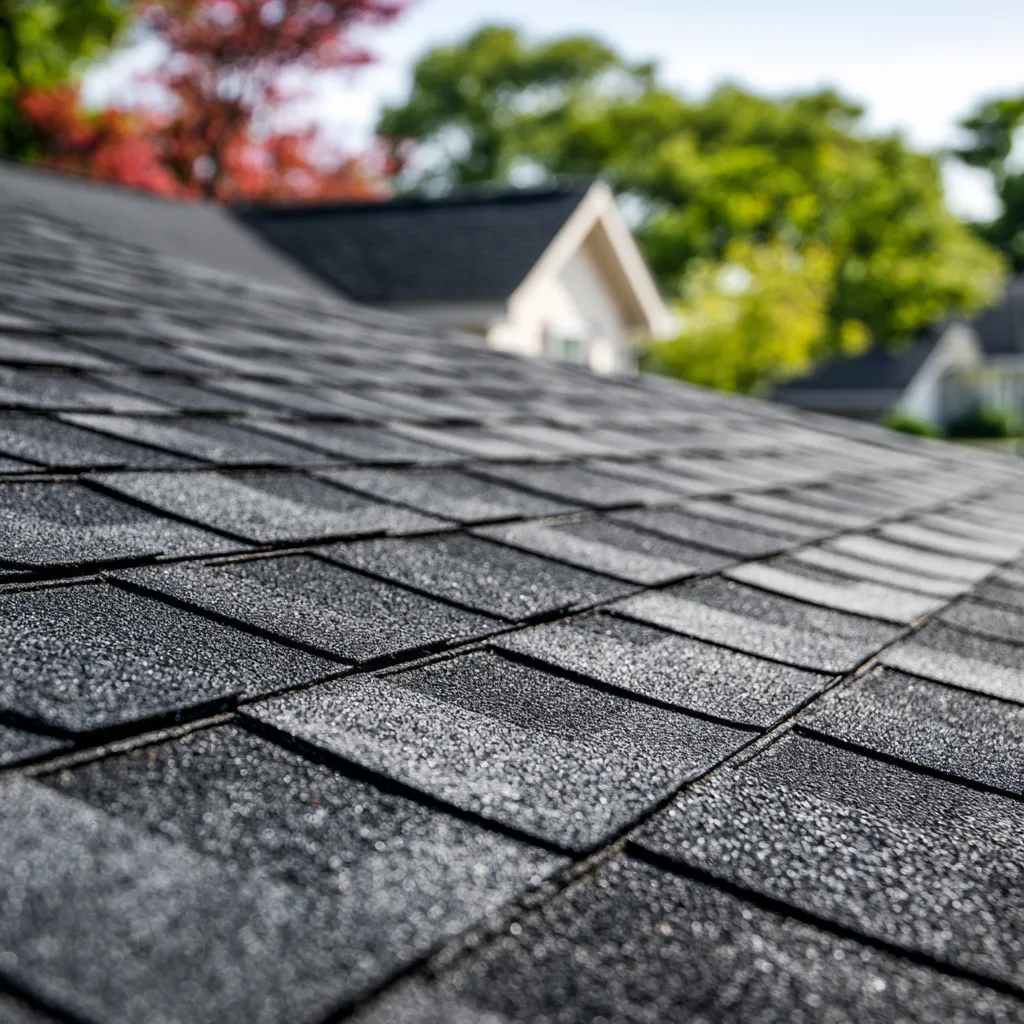
Architectural shingles
Layers bonded together give these shingles more thickness and shadow. The architectural label describes that construction. Impact ratings and warranty terms depend on the exact product.
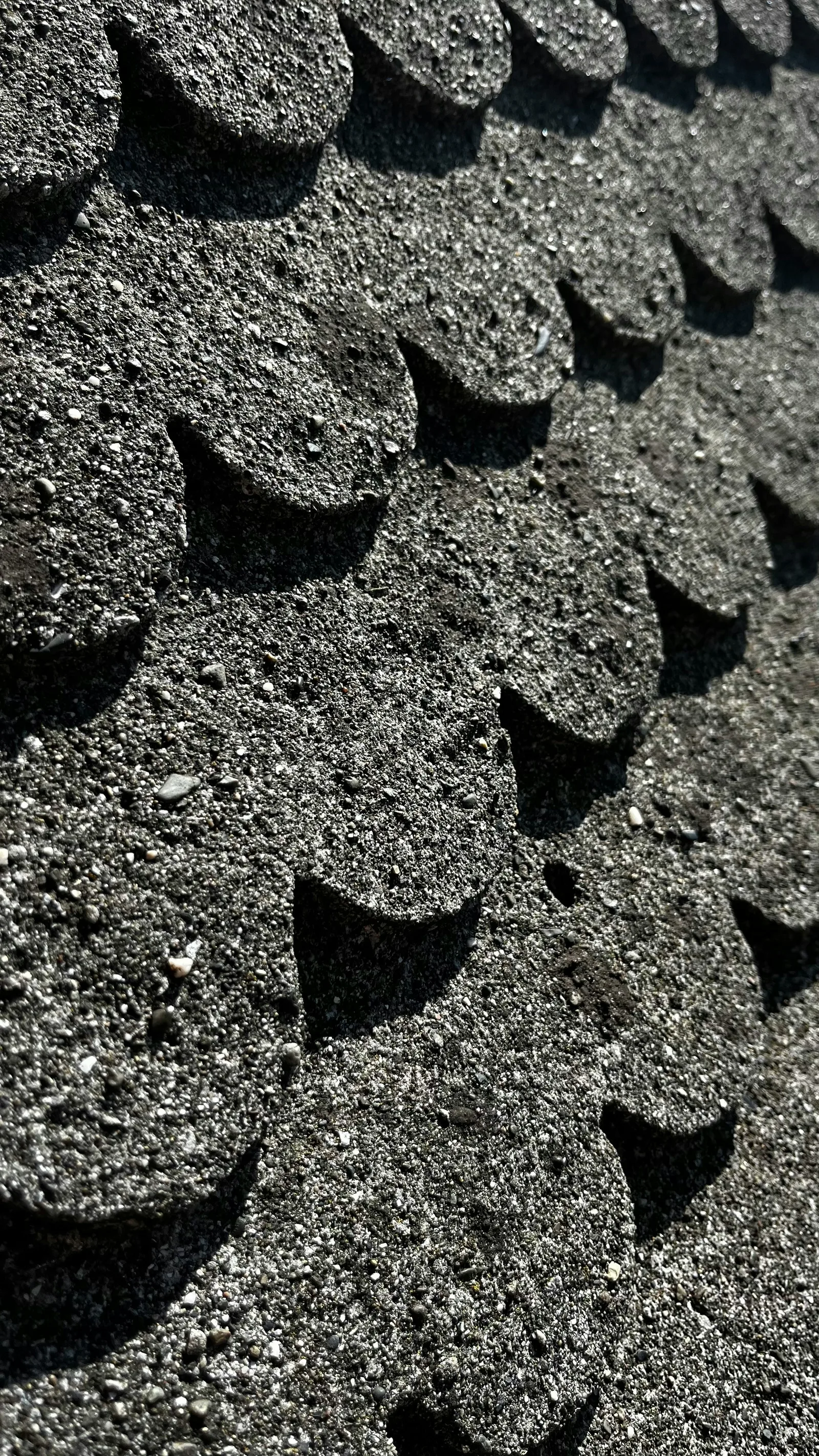
Designer shingles
Larger shapes or more pronounced profiles make the roof a stronger part of your home's appearance. The selected product needs the right support and installation details, not just a color you like.
Wind and hail ratings
Wind can lift a loose edge
Once wind gets beneath a shingle, it can bend it back or tear it away. Nails and the shingle's seal help hold it down. That's why wind resistance and hail resistance are separate things to compare.
Missing shingles are easy to notice. A crease or a broken seal may need a closer look. Start with an inspection so the repair addresses the damaged shingles and the roofing around them.
A wind rating describes tested conditions. It doesn't make a roof storm-proof.
Hail damage can reach below the surface
Hail can knock off granules, crack a shingle or damage the mat underneath. The size of the hail matters, along with the shingle's condition and where the impact lands.
When you're comparing shingles, check the exact product's impact results. Architectural shingles aren't automatically impact-rated, and even an impact-rated roof can suffer damage. IBHS tests individual products to help make that comparison.
See IBHS shingle test resultsChoosing shingles for a repair or reroof
The whole-roof view
On a new roof, the color and profile cover a large part of the house. The same sample can look different in daylight and on a steep slope. Color, product choice and any property restrictions need to be settled before the order goes in.
The reality of a patch
A repair has a different constraint: the new piece has to fit the existing courses. Weathering and product changes can prevent an exact visual match. The condition around the repair matters more than a close shade alone.
The layers beneath your shingles
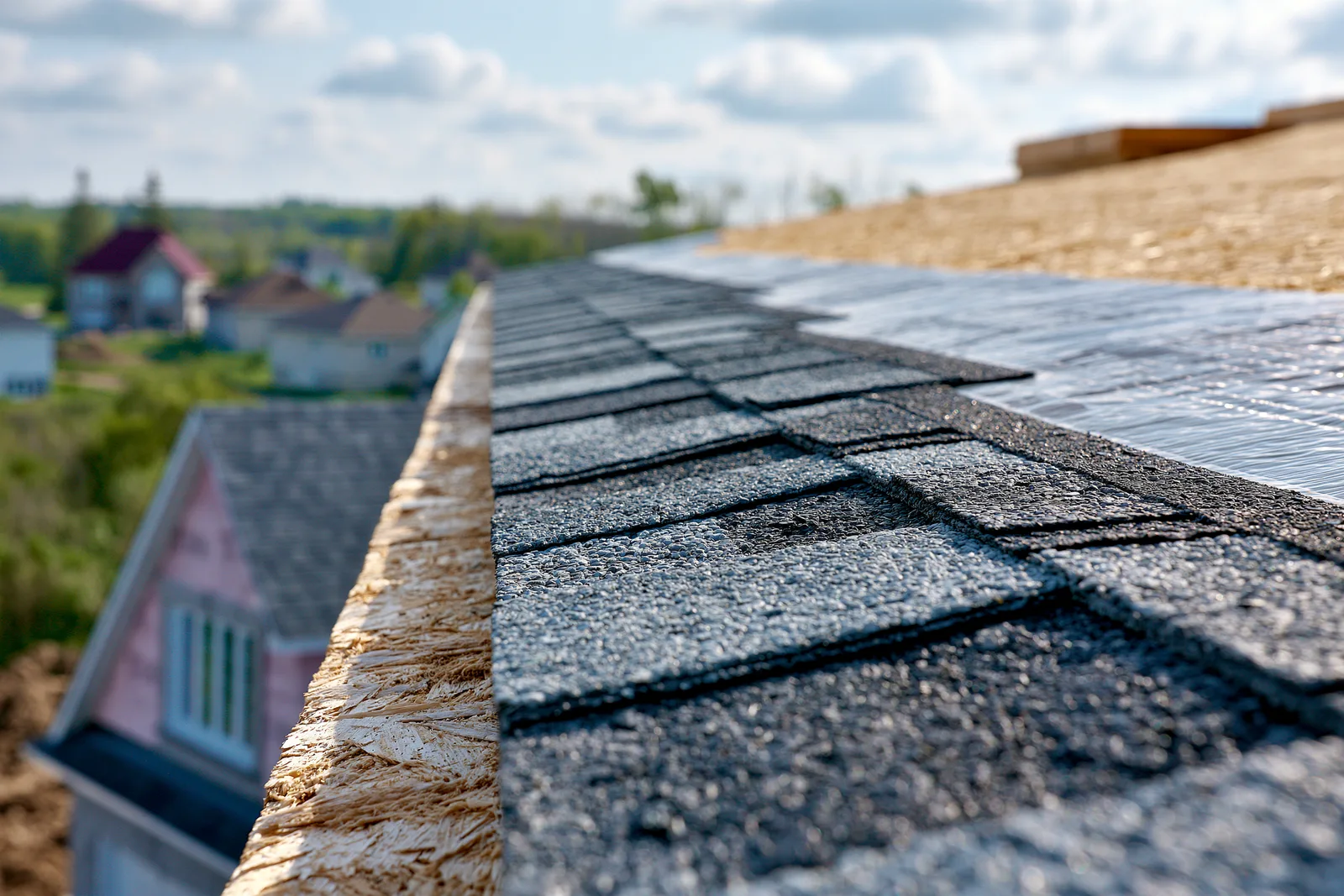
Sound wood decking
The wood below the shingles needs to hold the nails. Soft or broken areas need attention before new shingles cover them.
Underlayment and starter shingles
Underlayment adds protection over the deck. Starter shingles help secure and seal the first row at the edges. Each needs to suit the selected roof system.
Flashing at walls and pipes
Flashing directs water around openings and back onto the shingles. At valleys, where two slopes meet, the detail has to handle their combined runoff.
An open ventilation path
A vented attic needs intake at the eaves as well as exhaust near the top. Adding an exhaust vent doesn't help as intended if replacement air can't get in.
Find shingles for your home
Claremore Roofing Experts can help you start with the condition of your roof, then consider the shingles that fit the job. Request a free inspection for a repair or a new roof.
Call (918) 679-3162